
Scary to Start? My 7 Simple Recipes for Your Ozempic Journey
Hey there. Seriously, take a deep breath.
I know how it feels right now. You just picked up that tiny pen—maybe it’s your first Ozempic pen—and you’re staring at it, thinking, ‘Okay, this is huge. This is my chance.’ But then a different thought hits you: ‘What the heck am I supposed to eat now?
I hear you. The panic is real. Everyone talks about the miracle weight loss, but nobody really tells you how to manage the day-to-day food struggle.
When I first started on GLP-1 meds (whether it was Ozempic, Wegovy, or the others—it’s all the same challenge), my relationship with food went completely sideways.
- Suddenly, my favorite greasy takeout made me feel instantly sick.
- My stomach was constantly gurgling, and sometimes I felt like I had a golf ball stuck in my chest.
- The thought of preparing a big meal? Forget it. I was too tired, too queasy, or just too unmotivated.
It’s confusing, right?
But here’s the truth I learned the hard way: The key is not to diet harder. The key is to eat smarter and simpler.
You need recipes that are less about complicated nutrition rules and more about survival food—easy, gentle, high-protein things you can stomach on your worst days.
So, forget the perfect food blog photos for a second. This is my personal list of 7 simple, real-life recipes that helped me get through the first few months. We’re keeping the English super simple, just like I’m texting a friend.
Let’s dive in. This is going to be easier than you think.
Table of Contents
My Three Essential Rules for Eating on GLP-1
You don’t need to count every calorie or track every macro. Just remember these three things. They changed my life in the kitchen:
1. You Need Protein, Like, Yesterday
Seriously, focus on protein. When you lose weight fast, you don’t just want to lose fat; you want to save your muscles. Protein is the best way to do that. Plus, protein is the only thing that makes you feel “comfortably full” right now.
- My Tip: Think of protein as your VIP food. Eat the chicken, fish, or eggs first. If you get full, at least you got the most important stuff in.
2. Ditch the Grease—It’s Your Enemy
I learned this the hard way. One time, I craved a small piece of fried chicken. I took three bites. An hour later, I was miserable. Why? Fat takes forever to leave your stomach when you’re on these meds. It just sits there, feeling heavy.
- My Tip: Bake it. Steam it. Air-fry it. But seriously, cut down on butter, oil, and rich, creamy sauces for a while.
3. Consistency Over Perfection
There will be days you only manage half a protein shake and a piece of toast. That’s okay! Don’t give up. The goal is to be consistent most of the time.
- My Tip: Keep simple, “safe” food ready (I’ll share my list below). Having food ready stops you from ordering a pizza when you’re too tired to think.
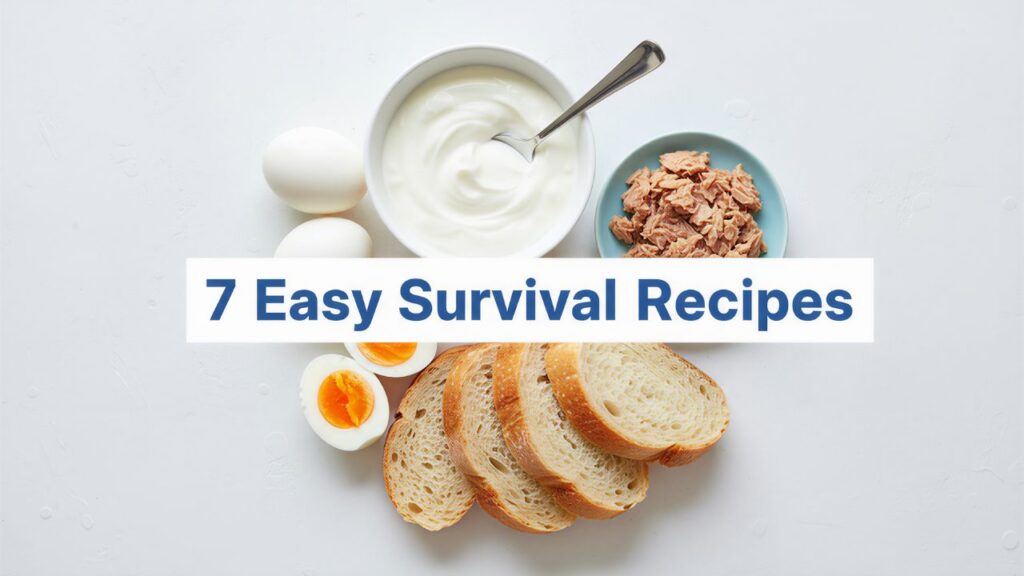
7 Easy Survival Recipes That Saved My Sanity
These are all super fast, use ingredients you probably have, and are perfect for sensitive stomachs.
1. The “I Feel Nauseous” Power Drink
This isn’t a fancy juice bar smoothie. This is my emergency sip. I drink this slowly when the thought of chewing anything makes me sick.
Why it works: It’s pure protein and uses ginger, which is a life-saver for nausea.
What I Use:
- 1 cup of plain, unsweetened almond milk (or just water).
- 1 scoop of vanilla protein powder (the one you can usually stomach).
- A small piece of a ripe banana (like, half a small one—it makes it gentle).
- 1/4 teaspoon of ginger powder. Trust me on the ginger.
How I Make It (My Simple Way):
- I pour the liquid in first. I learned if I put the powder in first, it sticks to the bottom. Annoying!
- I toss everything else in. No need to measure perfectly.
- I blend it for a full minute. You need it super, super smooth. Chunks feel bad when you’re queasy.
- I pour it into a travel mug. I sip it over the next 30 to 45 minutes. Don’t chug it!
2. My Favorite “Scrambled Eggs on Soft Toast”
Eggs are the perfect protein on this journey. They are soft, easy to chew, and your stomach processes them fast. But don’t make them greasy!
Why it works: Soft texture and pure, simple protein.
What I Use:
- 2 eggs.
- A tiny splash of almond milk or water (makes them super fluffy, not dry).
- A tiny pinch of salt and a small sprinkle of chives (optional, but they add flavor).
- 1 slice of soft, whole-wheat toast.
How I Make It (My Simple Way):
- I crack the eggs in a bowl and whisk them with the milk/water. I whisk until it’s really bubbly.
- I heat a non-stick pan over medium-low heat. No oil needed if your pan is good! If you must use something, use the tiniest spray of cooking oil.
- I pour the eggs in and move them around gently until they are just set and still look a little wet and soft. Dry, rubbery eggs are a no-go.
- I serve them immediately on the soft toast. Sometimes I can only eat half the toast, but I finish all the egg.
3. The “Tuna Survival Kit” Lunch
Canned tuna is a lifesaver. It’s cheap, it’s always there, and it’s pure, lean protein. But please, skip the traditional mayo!
Why it works: High protein, low fat, and customizable portions.
What I Use:
- 1 small can of tuna in water (drained very well—I squeeze the water out).
- 1 to 2 spoonfuls of plain Greek yogurt (this replaces the mayo for creaminess).
- A small squeeze of lemon juice.
- A pinch of salt and pepper.
- The “Vessel”: I use 2-3 large lettuce leaves or sometimes simple, soft crackers.
How I Make It (My Simple Way):
- I fork-flake the tuna into a bowl.
- I add the yogurt and lemon juice. I mix it until it looks creamy but not watery.
- I put a small amount onto a lettuce leaf and eat it like a tiny taco.
- Personal Note: I found this was a perfect amount. It gave me the savory flavor I wanted without any heavy bread.
4. Simple Chicken & Broth Sipper
When I had the worst nausea, I couldn’t even look at solid food. This “sipper” saved me from being completely dehydrated and protein-less.
Why it works: It’s primarily hydration and simple protein that your stomach handles easily.
What I Use:
- 4 cups of good quality, low-sodium chicken or vegetable broth.
- 1/2 cup of pre-cooked, shredded chicken breast (make sure it’s super tender).
- A pinch of dried dill (optional, it’s a gentle flavor).
How I Make It (My Simple Way):
- I heat the broth in a pot. Not boiling, just warm and steamy.
- I take my shredded chicken (I always keep some pre-cooked in the fridge—Meal Prep Rule #1!).
- I put the chicken in a mug and pour the warm broth over it.
- I let the chicken warm up for a minute. Then, I sip the broth slowly. I eat the chicken pieces only if I feel I can manage it. The broth is the main medicine here.
5. My Lazy “Dessert” Protein Bowl
You get a serious craving for something sweet, right? You don’t have to give up dessert. You just have to change what dessert is. This is my go-to when I need a reward.
Why it works: It tricks your brain into thinking it’s eating a treat, but it’s really getting a huge hit of protein.
What I Use:
- 1/2 cup plain Greek yogurt (it has the most protein).
- 1 tablespoon unsweetened cocoa powder (the dark kind).
- 1 teaspoon of zero-calorie sweetener (Stevia or Monk Fruit—use what you prefer).
- A tiny, tiny sprinkle of frozen blueberries.
How I Make It (My Simple Way):
- I scoop the yogurt into a small bowl.
- I dump in the cocoa and sweetener.
- I stir and stir until it looks like a thick, brown, chocolate pudding. It has to be smooth.
- I put the tiny bit of frozen blueberries on top. They thaw a little and make a cool, juicy crunch.
- I eat this with the smallest spoon I own. It makes the portion feel bigger!
6. The “Baked Salmon for Energy” Dinner
Fatty fish like salmon is an exception to the “low-fat” rule. It’s a good fat that gives you energy and is still easier to digest than a big steak.
Why it works: Omega-3 fatty acids for energy and flaky, soft protein.
What I Use:
- A small salmon fillet (about 3-4 ounces).
- A squeeze of lemon juice.
- A light sprinkle of salt, pepper, and garlic powder.
- My Gentle Side: 1/2 cup of steamed carrots or soft green beans.
How I Make It (My Simple Way):
- I heat my oven to 400°F (200°C).
- I put the salmon on a small piece of foil or parchment paper.
- I put the lemon juice and seasoning on it.
- I wrap the foil up (this keeps it moist and steamy—easier to eat!).
- I bake it for 12-15 minutes. It should flake apart super easily.
- I serve it with my soft veggies. I try to chew every bite like 20 times. It helps my stomach so much.
7. My No-Brainer Cottage Cheese Snack Bowl
If you can handle the texture, cottage cheese is your protein champion. It’s super simple and ready in 30 seconds.
Why it works: Very high in protein, very low effort.
What I Use:
- 1/2 cup low-fat cottage cheese.
- A small amount of a canned peach (or a few pieces of other soft, non-acidic fruit).
- 1 tiny spoonful of honey or maple syrup (just a drop, not a flood).
How I Make It (My Simple Way):
- I put the cottage cheese in a bowl.
- I slice the soft fruit and put it on top.
- I drizzle that tiny bit of sweetness just in the middle.
- Note: If the dairy bothers you, try blending the cottage cheese first. It makes it into a smooth, yogurt-like dip that is much easier on some stomachs.
My Personal Kitchen Strategy
Look, I’m not asking you to become a chef. But you need a simple plan. When you’re having a low-appetite day, deciding what to eat is the hardest part.
Here’s how I got ahead:
- Sunday “Protein Cook”: I’d bake 3-4 chicken breasts or boil 6-8 eggs. I’d shred the chicken and store it in small, labeled containers in the fridge. This chicken is my base for soup, tuna mix, or just a quick handful.
- The Smoothie Packets: I bought small freezer bags. In each bag, I put my protein powder, ginger, and a handful of spinach. I kept them in the freezer. When I woke up tired, I just grabbed a bag, dumped it in the blender with milk, and hit blend. Zero thinking needed.
- Buy the Easy Sides: I always had things like canned soft peaches, applesauce, simple crackers, and broth ready. These were my safety net foods for days when I felt truly miserable.
Remember: We are not meal prepping to be perfect; we are meal prepping to survive the low-energy days and make sure we get that essential protein.
Dealing with the Big Roadblocks
This journey isn’t just about food; it’s about dealing with the annoying side effects. Here’s what helped me.
Problem: Everything Feels Stuck (Constipation)
This is a real pain. Digestion is slow, so things can get backed up.
- My Fix: Hydration, hydration, hydration! I carried a big water bottle everywhere. And I ate soft, cooked vegetables (like the steamed carrots). Raw, hard veggies can be tough right now. Cooked is best. Prunes or prune juice (a small glass!) worked wonders when things got really bad.
Problem: Stomach Pain and Heartburn
That heavy, full, burning feeling is the worst.
- My Fix: Stop eating immediately when you feel full. Seriously. Overeating by even two bites can cause hours of pain. And remember to walk gently after a meal for 10 minutes. A little movement helps move things along. Avoid big portions!
Problem: Head Hunger vs. Real Hunger
This one confused me for weeks. Sometimes my brain would say, “I’m hungry! I need pizza!” but my stomach was totally silent.
- My Fix: I started drinking a full glass of water or a protein shake first. If I still felt “hungry” 15 minutes later, I ate a small, gentle snack (like the cottage cheese bowl). Most of the time, the craving just went away. It was my brain lying to me!
Final Honest Advice on Ozempic
You are not alone in this. Every single person taking a GLP-1 drug is going through this same kitchen confusion.
Don’t chase complex recipes. Don’t compare your plate size to others. Focus on simple, high-protein bites and sips. Listen to your body’s strange new signals.
You’re doing great. Keep it simple. Keep it gentle. And remember to be kind to yourself. You got this.
Use Novo Nordisk’s official Ozempic informationhttps://www.ozempic.com/ page
Disclaimer: Please read this: I am a writer sharing personal experiences and simple, home-style recipe tips. I am not a doctor, a dietitian, or a medical professional. The information and recipes in this article are just general tips and should NOT replace the medical advice you get from your own doctor or a registered dietitian. Before you change your diet or start any new supplement while on a medication like Ozempic or Wegovy, you must talk to your healthcare provider. Your safety and health are the number one priority.
Also Read: