
7 Smart Investment Ideas for Freelancers in India That Actually Work
If you are a freelancer in India, you know money comes in waves. Some months are full of work. Some months are quiet. That makes saving and investing feel hard. I will explain in simple words how you can invest in smart ways that fit a freelancer’s life. No fancy words. Just steps you can follow. This will help you build safety, pay taxes, and grow money for the future.
Start with one rule: keep things simple and steady. Small steps every month beat big, risky moves.
Table of Contents
Why freelancers in India must invest
If you keep all money in a savings account, you lose value over time. Prices go up, and your savings buy less. Investing helps your money grow faster than a bank savings rate. Also, when you have savings and investments, you can handle slow months without stress. Investments give you choices — an emergency fund, money for taxes, and money for long goals like retirement.
Build an emergency fund first
This is the first and most honest step. Before any investment, build an emergency fund. This fund covers basic expenses for a few months when work is low.
Aim for 3 to 6 months of your normal expenses. If your income is very unstable, aim for 6 to 12 months. Keep this money in a place you can withdraw fast, like a savings account or a liquid mutual fund. The goal is safety and quick access.
Why this matters: if a client pays late or a project ends, the emergency fund prevents you from selling investments at a bad time.
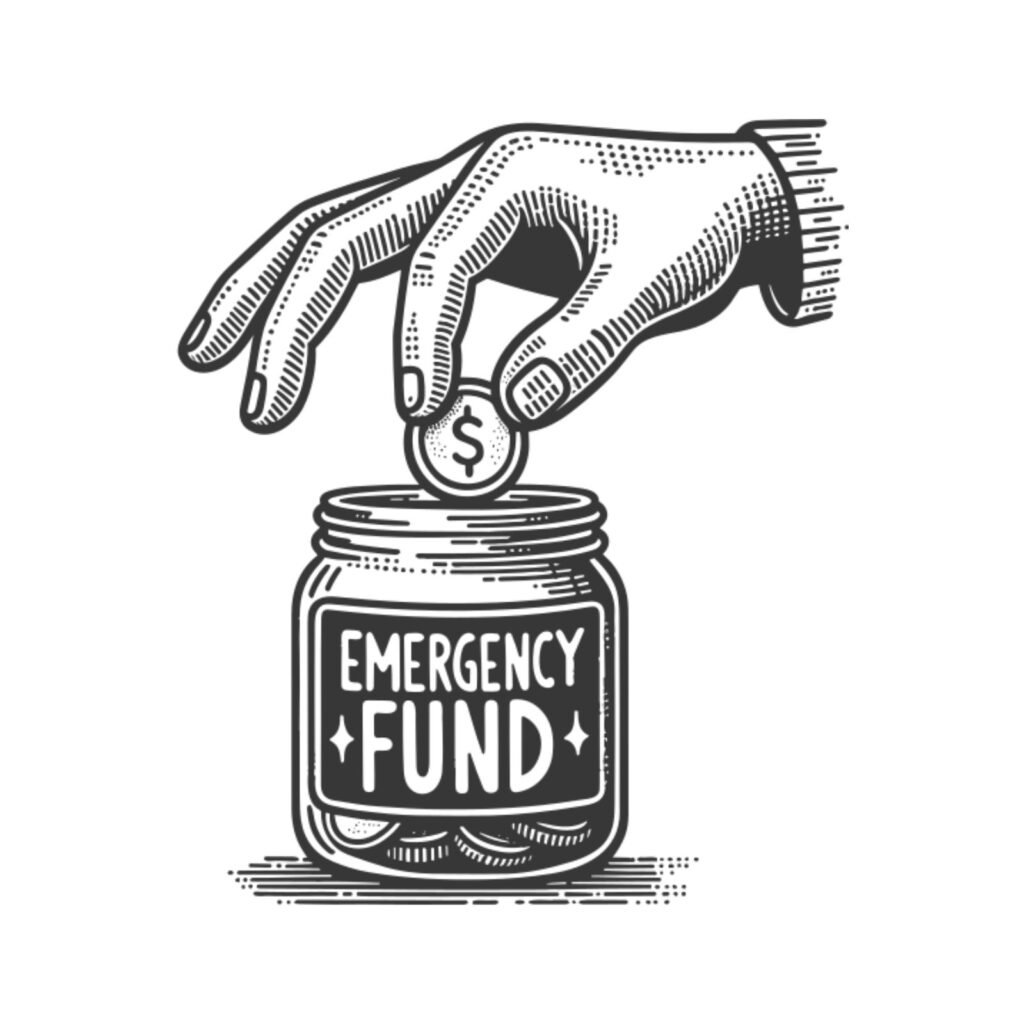
Building a strong emergency fund is essential for financial security, and this Economic Times article explains the process in a simple and effective way.
Keep a tax and bills account
Freelancers must plan for taxes and business costs. A simple way is to use two bank accounts. One for business money and taxes. One for your living expenses.
Set aside around 20–30% of your income for taxes and bills. The exact number depends on how much you earn and your expenses. If this sounds tough, talk to a CA for one session. It will save you surprises during tax season.
SIP in mutual funds — easy and strong for long term

SIP means Systematic Investment Plan. It is one of the best tools for freelancers who want steady growth without watching the market every day.
How SIP works:
- You pick a mutual fund.
- You commit a small amount every month (even ₹500 works).
- The fund buys units for you every month.
Why SIP is good:
- It averages out market highs and lows.
- You build money habit.
- Over time, compounding can give big gains.
Which funds to pick:
- For beginners: large-cap or index funds (lower risk).
- For steady growth: multi-cap or balanced funds.
- If you can handle risk: equity funds or small-cap funds — but do more reading first.
Use apps like Groww, Zerodha Coin, Kuvera, or your bank’s mutual fund platform. Choose funds with steady history and low expense ratio.
To make mutual fund investing easier for freelancers, this Moneycontrol article explains the investment process through daily SIPs.
Liquid funds and short-term debt for short goals
If you have money you will need in a few months, use liquid funds or short-term debt funds. These give better returns than a savings account and let you withdraw in a few days.
Use these funds for goals like paying tax in a few months, buying a laptop, or saving for an upcoming expense.
PPF and NPS for long-term safety
PPF (Public Provident Fund) and NPS (National Pension System) are good for long-term goals like retirement.
PPF:
- Safe and backed by the government.
- Lock-in of 15 years.
- Tax benefit under section 80C.
NPS:
- Focused on retirement.
- Has market exposure, so returns can be higher than PPF over long time.
- Good for disciplined retirement saving.
If you want safety plus tax benefit, PPF is simple. If you want a better retirement plan and can keep money till retirement, NPS is useful.
ELSS and tax-saving options
ELSS funds are mutual funds that save tax under section 80C. They have a lock-in of 3 years. ELSS can give good returns and save tax at the same time. Other ways to save tax are PPF, tax-saving bank FDs, and life insurance (but choose insurance for protection, not just tax saving).
Remember: pick tax-saving options that also fit your goals. Don’t invest only for tax saving.
Stocks, index funds and REITs — use with care
Direct stocks can give good returns but carry risk. If you want to buy single stocks:
- Learn basics first.
- Keep a small part of your money here.
- Diversify across sectors.
Index funds are simpler. They follow a market index like Nifty or Sensex. They cost less and are less risky than picking single stocks.
REITs (Real Estate Investment Trusts) let you invest in property without buying a house. They give rental income and can be part of a good portfolio.
Gold — small part of your plan
Gold is a hedge. It protects when markets fall and inflation rises. You can buy Sovereign Gold Bonds (SGB) or digital gold. Keep gold around 5–10% of your investments.
Health and term insurance — protect your income

Insurance is not an investment for growth, but it protects you from big losses. As a freelancer, you must have health insurance. A medical emergency can ruin years of savings.
Term life insurance is useful if others depend on your income. Choose a simple plan with clear terms. Don’t buy complex policies that mix investment and insurance if you don’t understand them.
A simple sample allocation for freelancers
Every freelancer is different. But a simple plan helps to start. Suppose you save 30% of your income every month. You could split it like this until the emergency fund is ready:
- Emergency fund: 30% (until it reaches 6 months).
- SIP (mutual funds): 30% (long-term growth).
- PPF/NPS or RD: 10% (safety).
- Liquid funds: 10% (short-term needs).
- Insurance and tax savings: 10% (protection).
- Stocks/gold/REITs: 10% (higher risk, higher return).
Change numbers to fit your comfort. The key is to start and stay consistent.
Keep records and review often
Track every payment and expense. Use a simple spreadsheet or apps like QuickBooks, Zoho Books, or even a Google Sheet. Review your money once every three or six months.
If you have a slow month, reduce your SIPs. If you have a good month, increase the SIP amount. Flexibility is the freelancer’s advantage.
Tips to stay consistent
- Automate: Use auto-debit for SIPs.
- Start small: ₹500 or ₹1,000 is enough to begin.
- Learn a little each week: read one short article or watch one video.
- Don’t panic-sell: markets go up and down. Stay calm.
- Diversify: don’t put all money in one option.
Common mistakes freelancers make
- Not saving for taxes.
- Keeping all money in savings account.
- Buying risky tips without research.
- Not having health insurance.
- Not having an emergency fund.
How to start today — practical steps
- Open a mutual fund account on a trusted app.
- Put two bank accounts: one for business and tax, one for personal.
- Start an emergency fund with a small amount.
- Start a SIP of ₹1,000 in a large-cap or index mutual fund.
- Buy a basic health insurance plan.
- Set aside 20–30% of each payment for taxes and business costs.
Simple words to remember
- Save: keep for future.
- Invest: make money grow.
- Insure: protect from loss.
- Track: write down income and expenses.
- Learn: improve skills to earn more.
Small steps make big change. Even if you start with little, the habit of saving and investing is the real win.
Frequently asked questions (short)
Q: How much should a freelancer save each month?
A: Start with 20–30% of your income if you can. If not, start with 10% and increase slowly.
Q: Where should I keep my emergency fund?
A: In a savings account or liquid mutual fund. Must be easy to withdraw.
Q: Is SIP safe for freelancers?
A: SIP is one of the safest ways to grow money slowly. It is good for most freelancers.
Opinion
You don’t need a lot to start. You only need a plan and small steps. Build an emergency fund first. Use SIPs for long-term growth. Keep some money in safe places like PPF, RD, or debt funds. Buy basic health insurance. Track your money and review often.
If you follow these ideas, you will feel more secure and ready to handle slow months. Your money will work quietly while you focus on work.
Disclaimer: This article is for general information only. It is not financial advice. Everyone’s situation is different. Before making big decisions, please talk to a certified financial advisor or a tax professional. Investments have risks and returns are not guaranteed.
Also Read: