Credit Cards: A Friend or Trap? The Truth No Bank Tells You
When you hear the words credit cards, what comes to mind first? For some people, it’s the thrill of swiping without worrying about cash in hand. For others, it’s the fear of hidden charges and bills piling up. The truth is, credit cards can either be your best financial tool or a sneaky trap waiting to pull you in. The difference lies in how you use them.
Let’s break down the reality banks don’t usually talk about, in a simple, no-jargon way.
Table of Contents
Why Credit Cards Feel Like a Friend
At first glance, credit cards look like a lifesaver. And in many cases, they are.

- Convenience on the go
You don’t need to carry a wallet stuffed with cash. Whether you’re shopping online, booking tickets, or grabbing dinner, credit cards make it effortless. - Building a credit score
If you use your card wisely—meaning you pay bills on time and don’t max it out—you can build a solid credit history. That history matters when you need a home loan, car loan, or even when renting a house. - Rewards and cashback
Who doesn’t love free stuff? From airline miles to cashback offers and discounts, credit cards often reward you for spending. It almost feels like getting paid to shop. - Emergency safety net
Imagine your car breaking down or a sudden hospital bill. If you don’t have savings handy, credit cards can give you breathing room until you sort out the cash.
The Trap Banks Don’t Highlight
While all that sounds great, here’s the flip side that banks don’t highlight as much:
- High interest rates
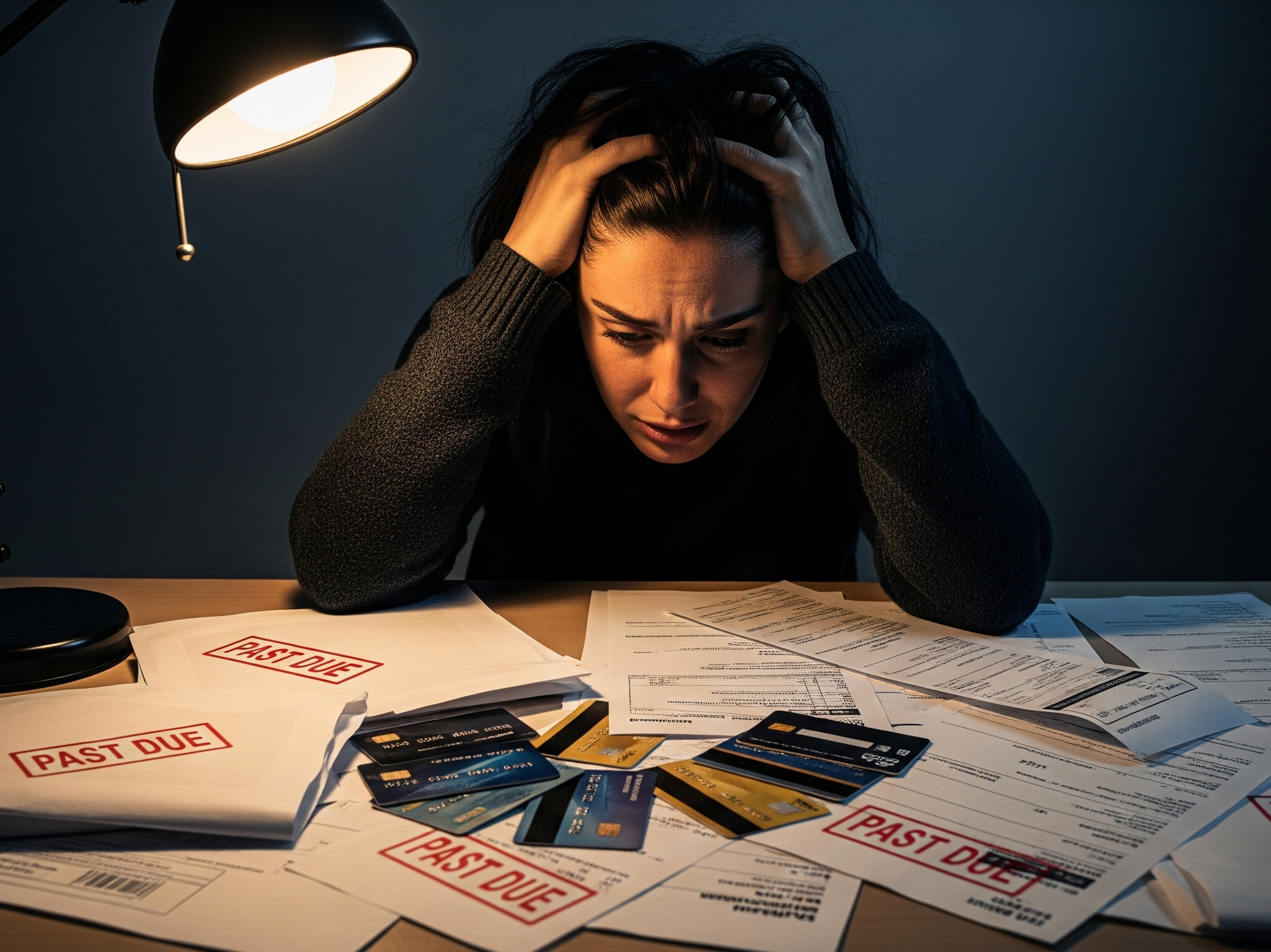
Miss a payment, and suddenly you’re dealing with interest rates that can hit 30% or more per year. That “small” unpaid amount quickly snowballs into a big headache. - Minimum payment myth
The bank says you only need to pay a “minimum amount.” Sounds easy, right? But this is where many people get stuck. Paying just the minimum means the remaining balance keeps earning interest—and it can take years to clear. - Hidden charges
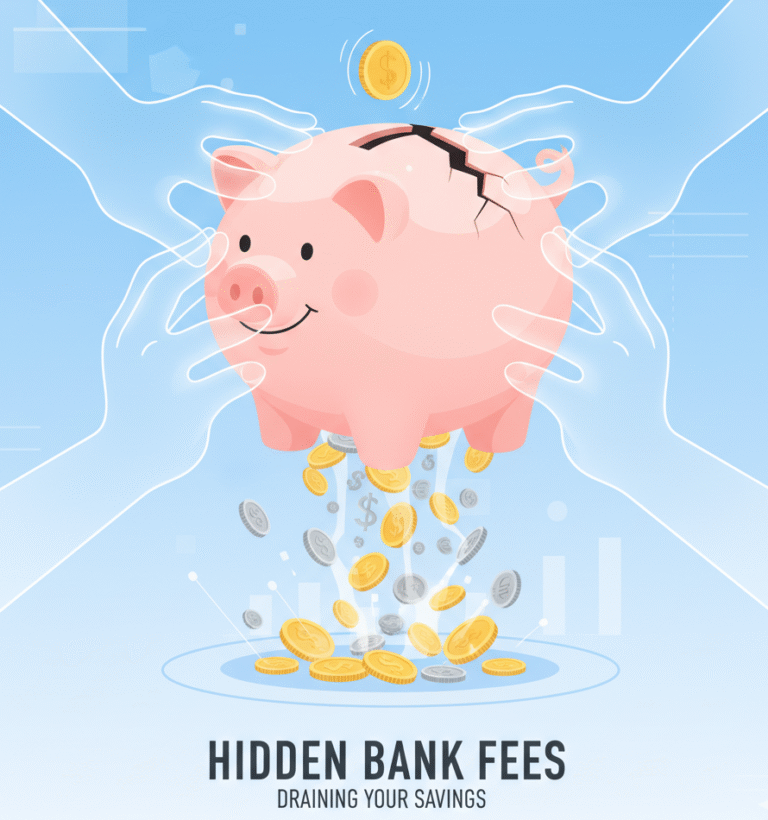
Late fees, over-limit charges, annual fees—credit cards often come with a fine print most people skip. These charges sneak up on you when you least expect them. - Psychological spending trap
Swiping doesn’t feel like spending real money. You think, “I’ll pay it later.” Before you know it, your bill is double what you expected.
How to Use Credit Card Without Falling Into the Trap
Now that we’ve looked at both sides, let’s talk about how to stay on the winning end.
- Pay in full, always
The golden rule of credit cards: never carry a balance. If you pay your bill in full every month, you won’t pay a rupee in interest. - Know your limit, but set your own
The bank may give you a ₹2,00,000 limit. That doesn’t mean you should use it all. Set your personal limit based on what you can repay comfortably each month. - Don’t chase rewards blindly
Yes, rewards are great—but overspending just to earn them is a trap. Cashback isn’t worth it if you’re paying interest. - Track your spending
Use mobile apps or SMS alerts to see where your money is going. When you know how much you’ve swiped, you’re less likely to overspend. - Avoid too many cards
More cards mean more temptation, more bills, and more chances to miss payments. Stick to one or two that suit your lifestyle best.
Credit Card and Lifestyle: Friend If You’re Smart
For many young professionals, credit cards feel like a badge of adulthood. Dinner with friends? Swipe. New phone? Swipe. A trip you didn’t plan for? Swipe again. The danger isn’t in having credit cards—it’s in treating them like free money.
The truth is, banks profit most when customers fall into debt. That’s why you rarely see ads saying, “Pay your bills in full to avoid interest.” Instead, they highlight rewards, offers, and the “flexibility” of minimum payments. It’s clever marketing, but it’s on you to play the game wisely.
When Credit Cards Become a Real Problem
Not everyone uses credit card smoothly. For some, they turn into a spiral:
- Using one card to pay another
- Ignoring bills until they’re too high to handle
- Stress from debt collection calls
This doesn’t just hurt your wallet—it affects your mental health too. Anxiety, sleepless nights, even arguments at home often follow when credit card debt piles up.
So, Are Credit Cards a Friend or a Trap?
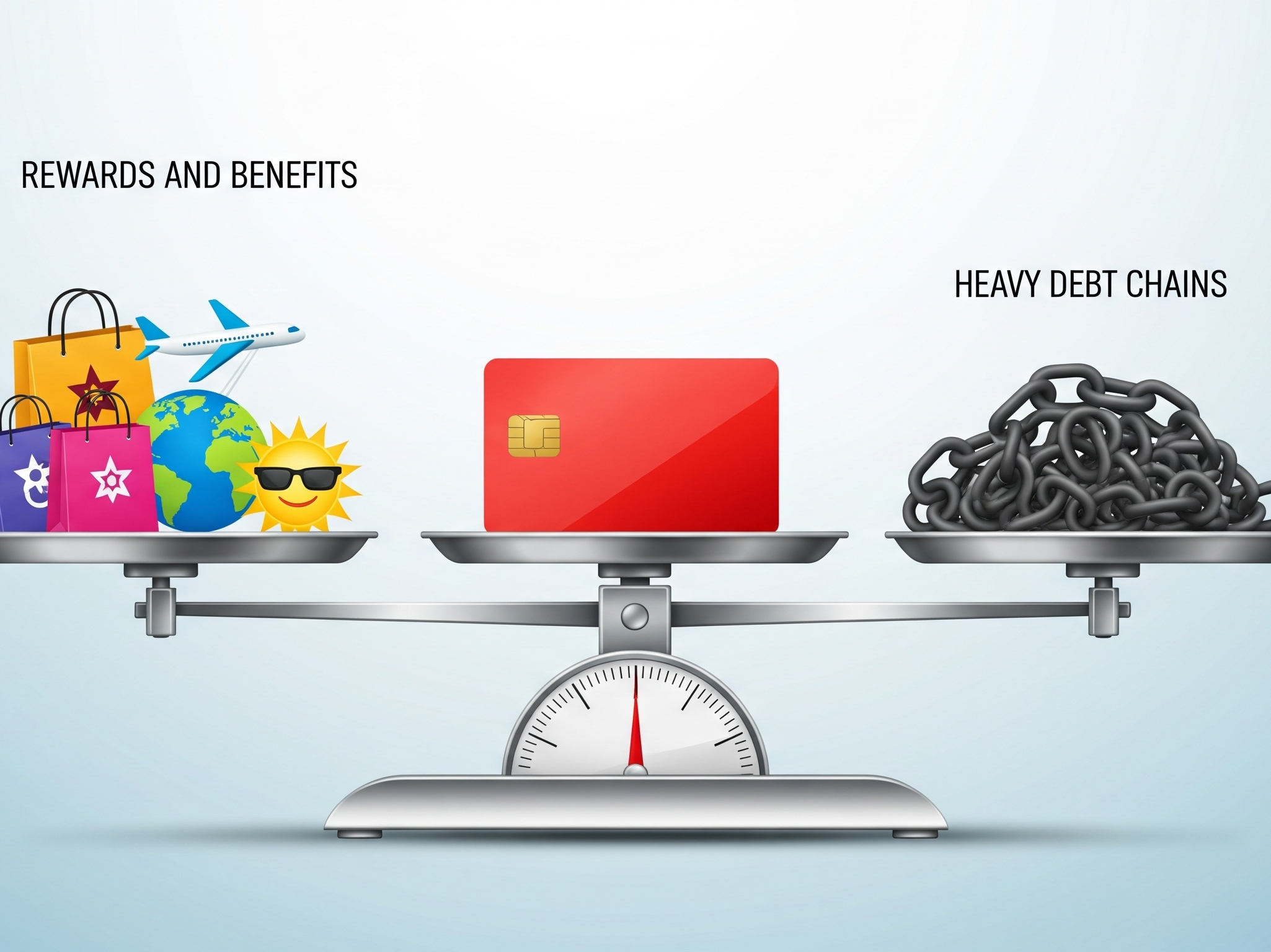
Here’s the honest answer: credit cards are neutral. They’re just a tool. A hammer can build a house or smash a window—it depends on the hand that holds it.
If you respect the rules—pay on time, spend within your means, and don’t chase rewards—you’ll enjoy the benefits without stress. But if you treat credit cards like endless cash, the trap will close in fast.
Final Thoughts
No bank will ever tell you this, but here’s the truth: credit card are designed to make money for the bank, not for you. Still, if you’re smart, disciplined, and self-aware, you can flip the script. You can enjoy the rewards, convenience, and safety credit cards bring—without ever feeling trapped by them.
So next time you pull out your wallet, ask yourself: Am I using this card as a friend… or am I stepping into a trap?
The choice is yours.
Disclaimer: This article is for informational purposes only and does not constitute financial advice. Credit card terms, benefits, and risks may vary by provider and personal financial situation. Please consult a qualified financial advisor or your bank before making decisions related to credit cards.
More about us :