
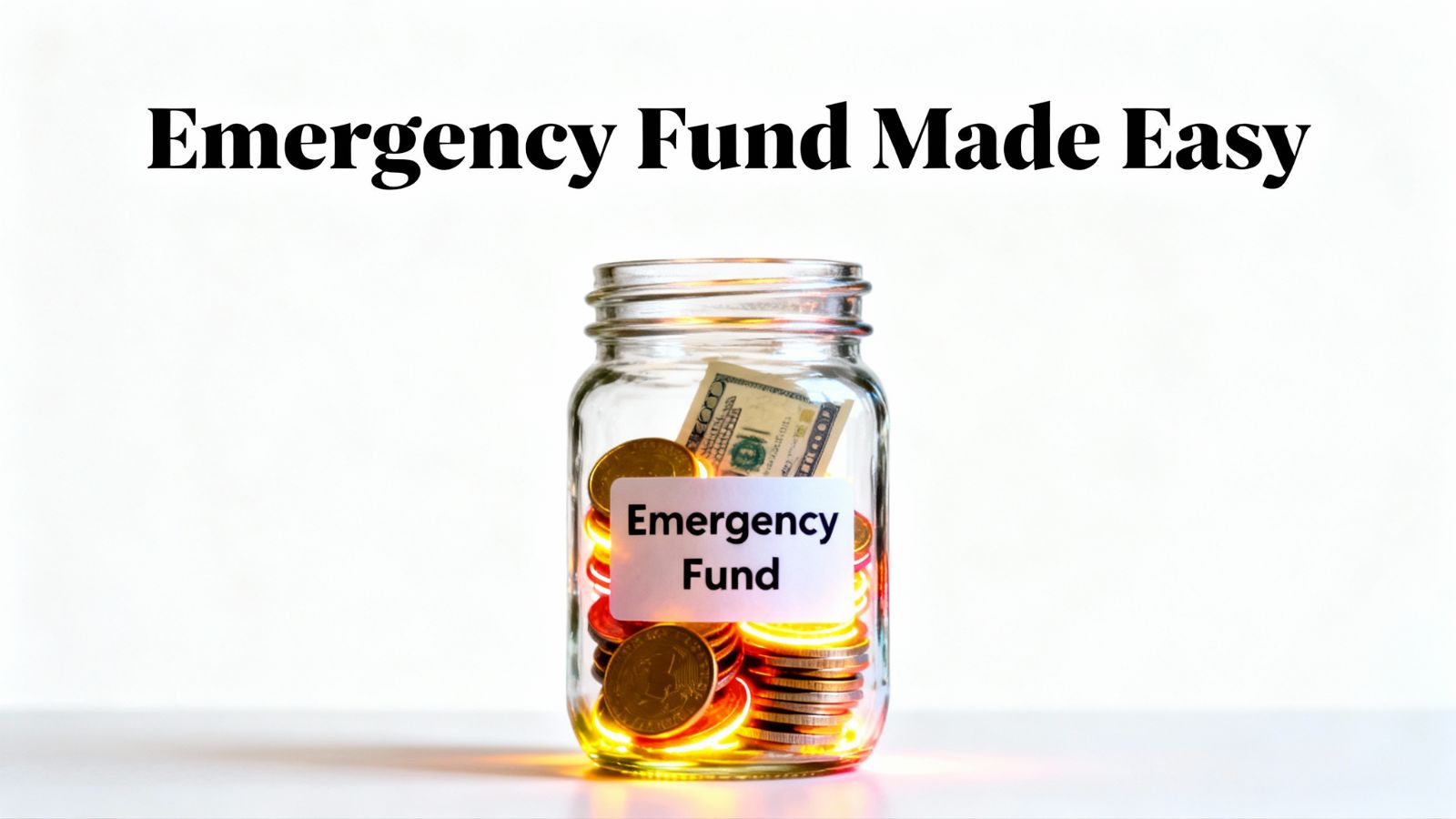
How to Build an Emergency Funds Without Feeling Broke In 6 Months
Let’s be honest: the phrase “emergency funds” doesn’t exactly spark excitement. It sounds like one of those “adulting” things we know we should do, but putting money aside when life already feels expensive can feel impossible. Rent, food, bills, Netflix — where’s the extra cash supposed to come from?

But here’s the truth: building an emergency fund isn’t about becoming rich overnight. It’s about peace of mind. It’s the safety net that keeps you from panicking when life throws its usual curveballs — like a surprise car repair, a sudden medical bill, or even losing your job. And the best part? You can build one without feeling broke or cutting out every little joy in your life.
Let’s walk through how to create an emergency funds step by step — in a way that feels doable, human, and yes, even a little satisfying.
Table of Contents
Why an Emergency Funds Matters More Than You Think
Imagine this: your laptop suddenly dies, or your bike needs urgent repairs. If you don’t have savings, you’re reaching for a credit card or borrowing money. Stress levels skyrocket, and suddenly, you’re stuck paying interest for months.
That’s where an emergency funds comes in. It’s not about being paranoid; it’s about being prepared. Think of it as your personal financial cushion — softening the blow when life kicks a little too hard.
Experts say three to six months of expenses is ideal, but here’s the secret: you don’t need to hit that number right away. Even a small emergency fund — say ₹10,000 to ₹20,000 — can feel like a game changer. It’s less about the size at first and more about getting started.
Step 1: Redefine What “Saving” Mean

The biggest mental block? Thinking saving means deprivation. Nope. Building an emergency fund is not about starving yourself of coffee or canceling every night out. It’s about finding balance.
Instead of thinking, “I can’t spend money on anything fun,” shift it to, “I’m paying my future self first.” That little perspective tweak makes saving feel less like punishment and more like self-care.
Step 2: Start Small, Win Big
Here’s a secret most people won’t tell you: your emergency funds doesn’t have to start with thousands. Begin with whatever feels manageable — ₹500, ₹1,000, or the cost of one weekend takeout. The point is momentum.
Why? Because saving is like working out. The hardest part is starting. Once you get into the rhythm, you’ll be surprised how quickly your fund grows. A lot of people burn out because they aim too high, too fast. Don’t fall into that trap.
Step 3: Automate Your Savings
This is the single most powerful hack. Instead of relying on willpower, set up an automatic transfer to a separate savings account right after payday. Out of sight, out of mind.
Think about it: if you wait to save “what’s left” at the end of the month, there’s usually nothing left. But when the money moves automatically, you don’t miss it — and your emergency fund grows without constant effort.
Step 4: Make It a Game
Saving doesn’t have to be boring. Turn it into a challenge.
- Found ₹200 in an old jacket pocket? Straight into the emergency funds.
- Got a cashback reward? Emergency fund.
- Skipped ordering food one night? Transfer that ₹500 into savings.
Little wins add up faster than you think. It’s like playing a game with yourself — and seeing that balance rise becomes addictive (in the best way).
Step 5: Keep It Accessible but Untouchable
Here’s the tricky part: your emergency funds should be easy to reach in an actual emergency, but not too easy that you dip into it for a shopping spree.
The sweet spot? A separate savings account, maybe even at a different bank. Not locked away, but just far enough to remind you: this is serious money. And yes, only emergencies count. A sale on sneakers? Not an emergency. A sudden doctor’s bill? That’s exactly what the fund is for.
Step 6: Level Up Over Time
Once you’ve built a starter cushion, challenge yourself to push a little further.
- First milestone: ₹10,000.
- Second milestone: ₹25,000.
- Third milestone: one full month of living expenses.
Each milestone makes you feel more secure and less stressed about life’s “what ifs.” Before you know it, your emergency funds becomes one of your proudest financial achievements.
Step 7: Don’t Forget to Live
Here’s the most important part: building an emergency funds should not make you miserable. You don’t have to live on instant noodles for six months. You don’t need to skip every vacation.
The real trick is balance — save consistently, but also allow room for fun. Life is meant to be lived, and an emergency funds exist so you can enjoy life without fear of financial disasters.
The Emotional Payoff
Picture yourself six months from now. Something unexpected happens — your car breaks down, or your phone screen shatters. Instead of spiraling into stress, you calmly pull from your emergency fund, fix the problem, and move on. No debt, no sleepless nights, no guilt.
That’s the real power of an emergency fund. It’s not just money; it’s peace of mind, freedom, and control over your future.
Final Thoughts

At the end of the day, building an emergency funds isn’t about being rich or perfect with money. It’s about being realistic, intentional, and kind to yourself. You don’t need to save everything at once. You don’t need to cut all the joy out of your life.
You just need to start.
So, ask yourself today: what’s one small step you can take toward your emergency funds? Because the truth is, the best time to build one was yesterday. The next best time? Right now.
More about emergency funds by experts
more about us