Amazing! 3 Bone Density Workouts That Instantly Boost Power
I am so happy you are here. I want to talk to you about something super important for a long and healthy life: your bones. Think of your bones as the foundation of your house. If the foundation is weak, the whole house might shake, right? As we get older, keeping this foundation strong requires special attention, which is why we are talking about Bone Density Workouts today. These exercises are the key to building and maintaining a strong skeleton.
As we get older, especially after the age of 45, our bones can start to lose their strength and thickness. Doctors call this ‘bone density’ going down. When bones become too thin, they can break very easily, sometimes just from a small fall. This condition is often called Osteoporosis. But I have really good news for you! You can absolutely fight this process. You do not need fancy machines or complicated diets. The biggest secret is something simple and powerful: Resistance Training for Bone Density in Seniors.
Yes, that is right. Lifting weights, or doing exercises against some kind of force, is one of the best things you can do for your bones. It is like telling your bones, “Hey, you need to be stronger!” And your bones listen. This article is your simple guide. We will talk in a very easy way, step-by-step, so you can start today, safely and happily.
Table of Contents
Why Do Our Bones Need This Kind of Help?
Imagine a bank account. When you are young, you are putting a lot of money (bone strength) into that bank. But after a certain age, maybe around 30, you stop putting in much, and sometimes you start taking out more than you put in.
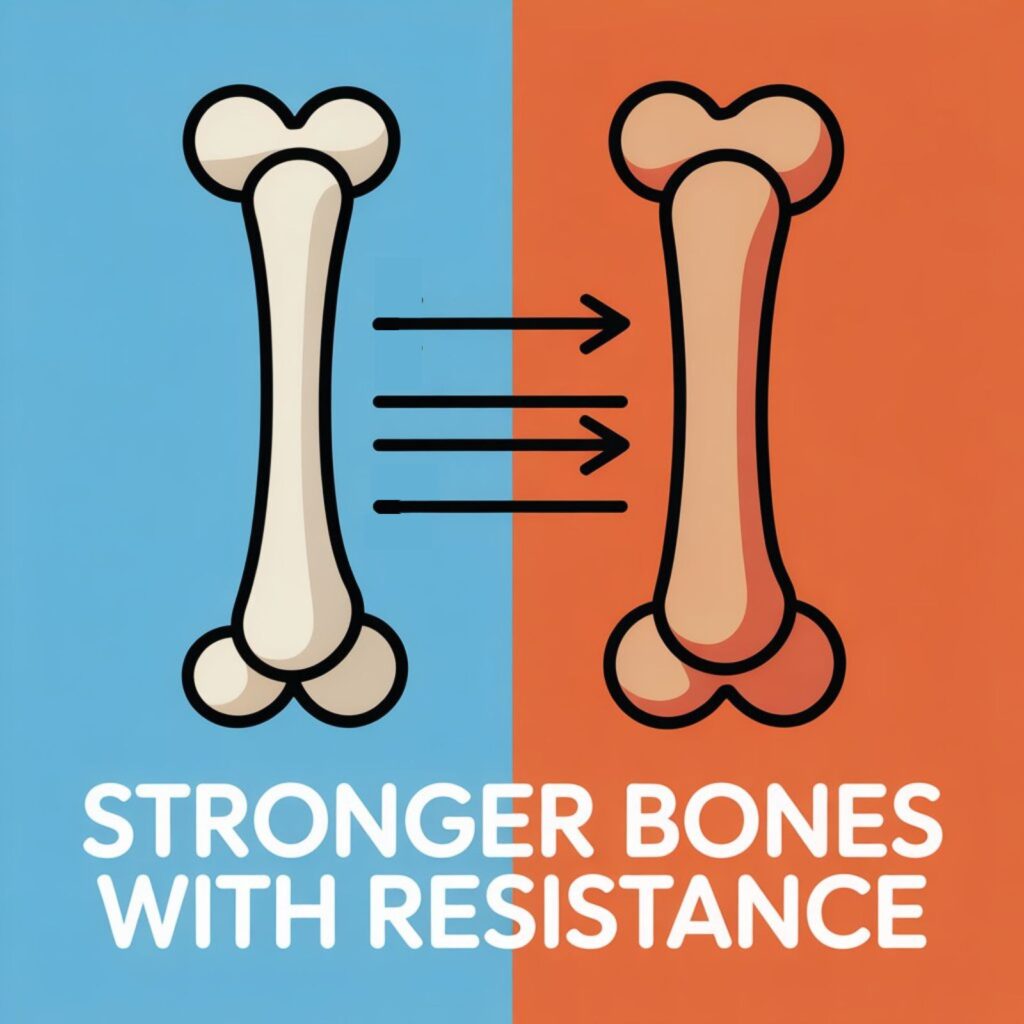
When you do resistance training, it sends a special signal to your body. When a muscle pulls on a bone, even a little bit, the bone says, “Wow, I need to be stronger to handle this pull!” So, it starts bringing in more minerals, like calcium, and makes itself thicker and stronger. This is the magic of increasing your bone density. It is the most natural way to fight back against weak bones.
Understanding the Right Way to Start
If you have never lifted weights before, it is totally okay! You are in the right place. We must start very slow and make sure we are safe. Safety is the number one rule here.
Rule Number 1: Talk to Your Doctor First
Before you start any new exercise program, you must talk to your doctor. They know your health history and can tell you if there are any specific movements you should not do. They might even check your current bone density with a special test (called a DEXA scan). This is a very important step!
Rule Number 2: Start with Your Own Body Weight
You do not need heavy dumbbells yet. Your own body is the best starting tool. Here are some simple exercises that use your body weight and are great for bones:
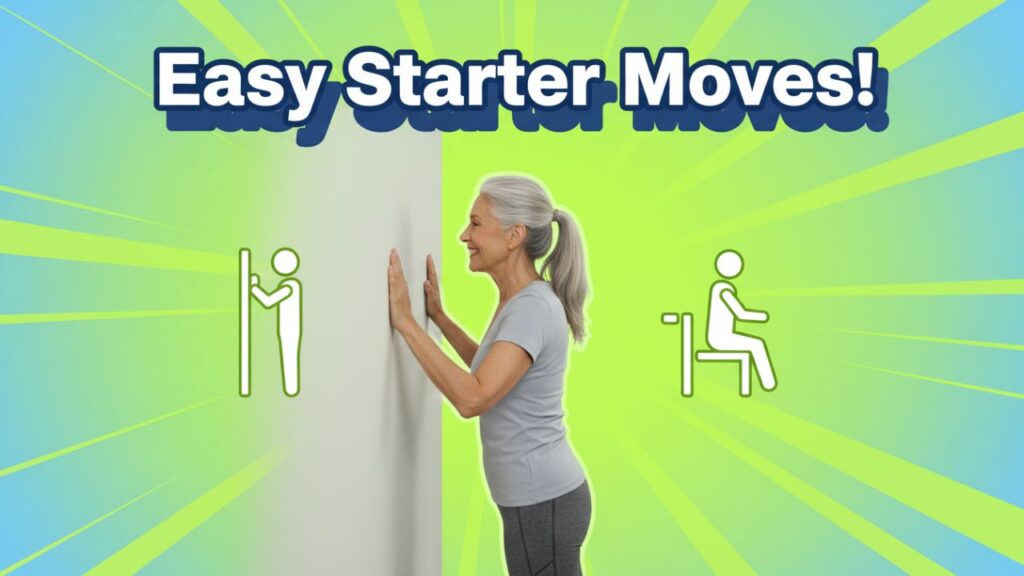
- Wall Push-Ups: Stand facing a wall. Put your hands on the wall and push your body away, then bring it back. This is great for the bones in your arms and shoulders.
- Sit-to-Stands: Sit on a sturdy chair. Stand up slowly without using your hands, and then sit down slowly. This is the best exercise for the big bones in your hips and legs.
- Heel Raises: Hold onto a counter or a wall for balance. Lift up onto your toes and then slowly lower your heels. This is great for the lower legs and feet.
The Three Types of Resistance Tools You Can Use
As you get stronger, you will need to give your bones a little more “push.” There are three main ways you can do this, and all of them are safe and effective.
- Resistance Bands: These are long, stretchy, rubber bands. They are very light and easy to use. They give a smooth, gentle resistance that is perfect for beginners and for working smaller muscles.
- Light Dumbbells (or Household Items): Small weights, like 1 or 2-pound dumbbells, or even cans of soup or water bottles, work perfectly. The key is to have something that makes the last few repetitions (reps) of the exercise feel a little hard.
- Weight Machines (at a gym): If you are comfortable going to a gym, these machines can be very helpful because they guide your body and make sure you move correctly.
Your Weekly Training Plan: The Magic Number is 3
For effective Resistance Training for Bone Density in Seniors, you do not need to exercise every day. In fact, your bones and muscles need time to rest and get stronger.
We want to focus on doing strength exercises 3 times a week. You should always have a day of rest in between strength training days.
| Day | Activity | Why it Helps Your Bones |
| Monday | Resistance Training (Focus on Legs/Hips) | Pushing your hip and leg bones is critical for preventing serious fractures. |
| Tuesday | Rest or Gentle Walk | Your bones and muscles repair themselves and get stronger during rest. |
| Wednesday | Resistance Training (Focus on Arms/Back) | Improves posture and strengthens the spine and wrist bones. |
| Thursday | Rest or Walk | Recovery is just as important as the workout itself. |
| Friday | Full Body Resistance Training | A mix of both, making sure all major bone groups get a signal to grow. |
| Saturday/Sunday | Walking, Garden Work, Rest | Keep moving, but give your body a break from heavy lifting. |
Important: The Right Way to Do Exercises (Focusing on Bone Strength)
When you are lifting weights for bone density, the goal is not to get huge muscles, but to give the bones a good, firm load (or weight). This is called “Vertical Loading,” which means putting pressure down through the spine, hips, and legs.
Here is how you make sure your exercise is helping your bones:
- Focus on Posture: Always keep your back straight and your core (stomach muscles) tight. If your back is hunched, the pressure goes to the wrong places.
- Go Slow and Steady: When you lift the weight, count to two. When you lower the weight, count to three or four. The slow lowering part is where the muscles really pull on the bones and do the most good. Never drop the weight quickly.
- The Right “Dose”: For bone density, we usually aim for 8 to 12 repetitions (reps) for 2 to 3 sets. If you can do 15 reps easily, it means the weight is too light, and you need to increase it slightly. If you cannot do 8 reps, the weight is too heavy.
Bone Density Workouts: Understanding the Bone Talk
You may hear many words when talking about bones and exercise. Knowing these simple terms will help you understand your doctor or trainer better. They are not complicated!
- Osteopenia: This just means you have slightly lower bone density than normal. It is a warning sign, and a great time to start your resistance training!
- Osteoporosis: This is when your bone density is very low, making fractures a big risk. Resistance training is vital here, but must be done with extra care.
- DEXA Scan: This is the simple X-ray test your doctor uses to measure your bone density.
- Weight-Bearing Exercise: This is any exercise where your body is fighting gravity (like walking, climbing stairs, or lifting weights). These are the best for bone health.
The Role of Nutrition: Your Bone-Building Bricks
Resistance training is the architect who designs the strong foundation, but you also need the right building materials!
You must make sure you are getting enough of these two things:
- Calcium: This is the main mineral that makes up your bones. You can find it in milk, cheese, yogurt, dark leafy green vegetables (like spinach), and fortified cereals.
- Vitamin D: This vitamin is like the key that unlocks the door for calcium to get into your bones. Your body makes Vitamin D when the sun shines on your skin, but many older people need a supplement. Ask your doctor if you need a Vitamin D supplement.
Remember, a good diet and exercise work as a team to give you the best results.
The Emotional Boost: More Than Just Strong Bones
Doing Resistance Training for Bone Density in Seniors is not just about physical health. It is also about feeling better every day.
When you are strong, you:
- Feel More Confident: You know you can carry your own groceries or lift your grandchild without worry.
- Sleep Better: Exercise helps regulate your body and mind, leading to deeper, more restful sleep.
- Have More Energy: You feel less tired throughout the day.
- Are Happier: Exercise releases ‘happy chemicals’ in your brain.
So, every time you pick up that light weight or do a push-up against the wall, you are not just building stronger bones; you are building a happier, more independent future for yourself.
Summary of Your Bone-Building Action Plan
- Get Clearance: Talk to your doctor before starting.
- Start Light: Begin with bodyweight exercises like Wall Push-Ups and Sit-to-Stands.
- Use Resistance: Move up to bands, light dumbbells, or water bottles.
- Frequency: Do strength training 3 times a week, with rest days in between.
- Technique Matters: Use slow movements and keep good posture (Vertical Loading).
- Eat Well: Make sure you are getting enough Calcium and Vitamin D.
You can read more expert-backed tips on preventing bone loss here
For additional guidance on maintaining strong bones, visit this Mayo Clinic resource:
Disclaimer: Please read this carefully. I am a writer giving you general health and fitness ideas. I am NOT a doctor, physical therapist, or medical professional. The information in this article is for educational purposes only. It should not be used to treat or diagnose any medical condition like Osteoporosis. If you have pain, stiffness, or any concerns about your bone health, you must see a qualified healthcare professional. Always stop exercising immediately if you feel sharp pain or dizziness. Your safety is the most important thing!
Also Read: